

Why Bunions Run in Families and How Genetics Plays a Role
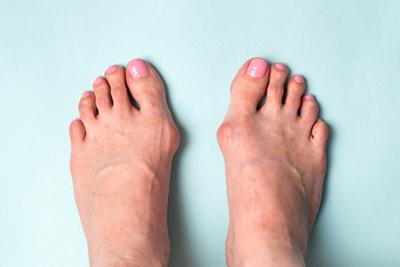
At Norridge Foot and Ankle Clinic in Chicago, IL, many patients come seeking answers about bunions, those bony bumps that develop along the side of the big toe. While poorly fitting shoes and lifestyle factors can contribute, genetics often plays a significant role in why bunions appear, sometimes across multiple generations. Understanding the hereditary components of bunions can help patients recognize early signs, take preventive measures, and explore effective treatment options.
The Genetic Connection in Bunions
Bunions, medically known as hallux valgus, develop when the bones of the big toe shift out of alignment, creating a visible bump and often causing pain or discomfort. Research shows that structural foot traits, such as flat feet, ligament laxity, or abnormal bone alignment, are frequently inherited. When these inherited traits combine with environmental pressures like tight shoes or prolonged standing, the likelihood of developing bunions increases. Families may notice a pattern where multiple relatives experience similar foot changes, highlighting the hereditary influence.
Early Detection and Recognizing Risk Factors
Understanding that bunions can be influenced by genetics allows patients to watch for early warning signs, such as mild misalignment of the big toe, redness, or swelling at the joint. Early detection is important because addressing symptoms promptly can slow progression and reduce discomfort. Even if a bunion is small, hereditary predisposition means that careful monitoring and preventive strategies can make a meaningful difference over time.
Prevention and Conservative Management
While you cannot change your genetic makeup, podiatrists can help manage bunions proactively to minimize pain and preserve mobility. Conservative measures include wearing supportive, wide-toed shoes, using padding to relieve pressure, wearing orthotics to properly align the foot, and performing targeted exercises to strengthen foot muscles and improve alignment. These approaches can slow the progression of bunions and reduce the risk of complications, especially for those who know they carry a family history of the condition.
When Surgery Becomes Necessary
In cases where bunions cause persistent pain, limit mobility, or interfere with daily activities, surgical correction may be recommended. Dr. Busser carefully evaluates the severity, foot structure, and overall health before creating a tailored treatment plan. Surgery realigns the toe, relieves discomfort, and helps restore natural foot function, providing long-term relief for patients whose bunions have progressed despite conservative care. There are many surgical options for bunions, including osteotomies (bone cuts fixed with screws or plates), big toe joint fusion, and 3D correction to stabilize the foot from farther back. The type of surgery recommended depends on a thorough clinical and radiographic examination in our office. It also depends on the patient's overall health and any medical conditions that they have. Dr. Busser believes that bunion surgery is not a one-fits-all approach. Most of our patients are able to walk in a surgical boot immediately after surgery.
Expert Care for Hereditary Foot Concerns
Recognizing the role genetics plays in bunions emphasizes the importance of skilled evaluation and early intervention. At Norridge Foot and Ankle Clinic in Chicago, IL, Dr. Busser offers thorough assessments, personalized treatment plans, and supportive guidance for patients managing inherited foot conditions. If surgery is necessary, our team guides you through the entire process; we schedule a pre-operative consultation with x-rays and clinical examination, and we coordinate your surgical date with the hospital or surgery center. We offer comprehensive surgical care kits so that you have everything you will need post-operatively. We also partner with a compound pharmacy that offers supplements to support surgical healing and scar management. We are fully committed to serving you throughout your entire surgical journey.
If you notice early signs of a bunion or experience discomfort that affects your daily life, contact Norridge Foot and Ankle Clinic at (773) 625-2211 to schedule an appointment and take proactive steps toward healthier, more comfortable feet.